

Let us be honest. Before you moved to Shanghai, someone told you about the fake markets. A friend whispered about a secret building where you could buy a “luxury” bag for the price of a nice dinner. A colleague bragged about their “totally real” watch that cost ninety percent less than the one in the mall.
Those days are mostly over. But the markets are not dead. They have just changed.
This guide covers what is still open, what is gone forever, and how to navigate the bargaining dance without embarrassing yourself.
The Legend of Shanghai‘s Fake Markets
In the 2000s and early 2010s, Shanghai had a reputation. You could walk into a market on Nanjing West Road, point at a picture of a Louis Vuitton bag, and walk out fifteen minutes later with something that looked surprisingly close to the real thing.
The most famous was 580 Nanjing West Road. It was a multi-story building packed with stalls selling counterfeit luxury goods. Locals called it “the fake market.” Tourists called it a must-visit attraction. Then the authorities cracked down. Hard. The building now houses legitimate businesses.
The same thing happened to the Xiangyang Market (also known as “Little Liuyuan”), which was once the undisputed king of Shanghai knockoffs. It closed in 2006 after years of legal pressure from luxury brands.
So what is left?
The Markets That Are Still Alive (Sort Of)
1. Science and Technology Museum Metro Station
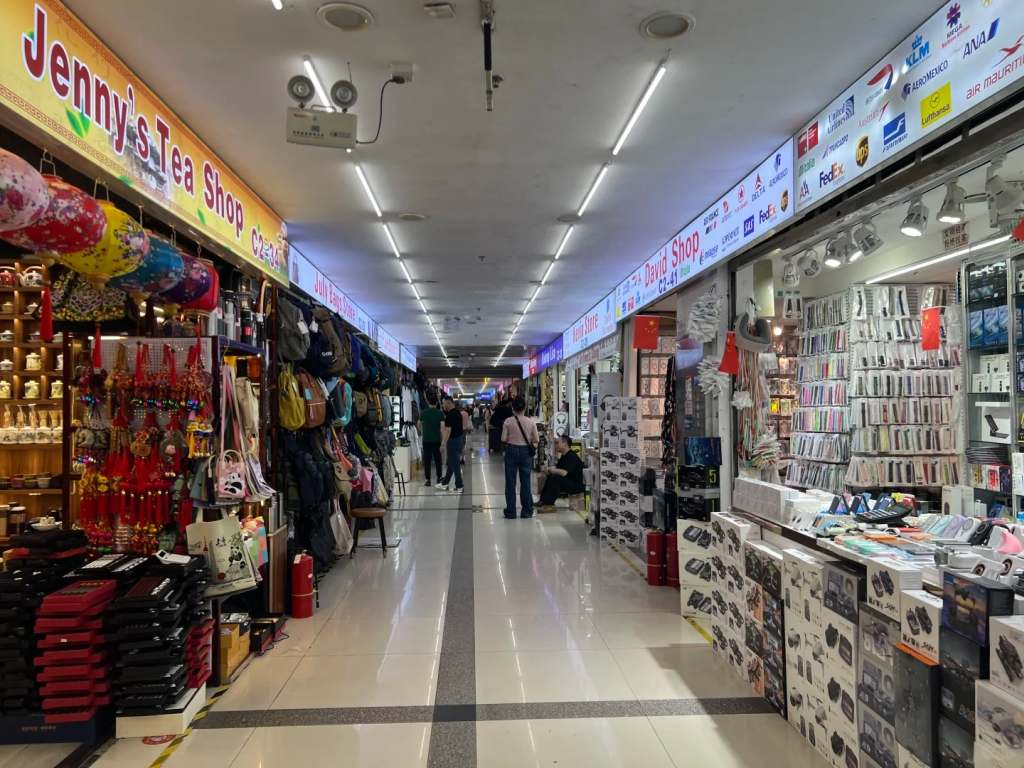
This is the last real fake market in Shanghai. It is not a building. It is an underground shopping complex connected to the metro station. The vibe is less “secret back room” and more “sprawling maze of stalls selling everything.”
Where: Line 2, Science and Technology Museum Station. Take the exit toward the mall. You will find it.
What they sell: Suitcases, phone cases, socks, toys, souvenirs, luggage, electronics accessories, and yes – some counterfeit luxury bags and watches. But do not expect the same quality as the old days. The really good stuff is gone. What remains is lower quality, and the sellers are more cautious.
The bargaining situation: A foreign face is still a target. The first price they quote will be absurd. Laugh. Counter with something reasonable. Aim for 20-30% of the opening price. Walk away if they do not budge. They will often call you back.
Best for: Tourists who want the “fake market experience” without the legal risk. Souvenir shopping. Bargaining practice.
2. Shanghai Railway Station Area
There are shops near the railway station that sell luggage, electronics, and general travel goods. Some sell counterfeit items. But it is not a “market” in the way tourists imagine. It is scattered stalls and storefronts.
The catch: Quality is inconsistent. Prices are not as low as the Science and Technology Museum. This is more for travelers who need a last-minute suitcase than for souvenir hunters.
3. Qipu Road Fashion Market
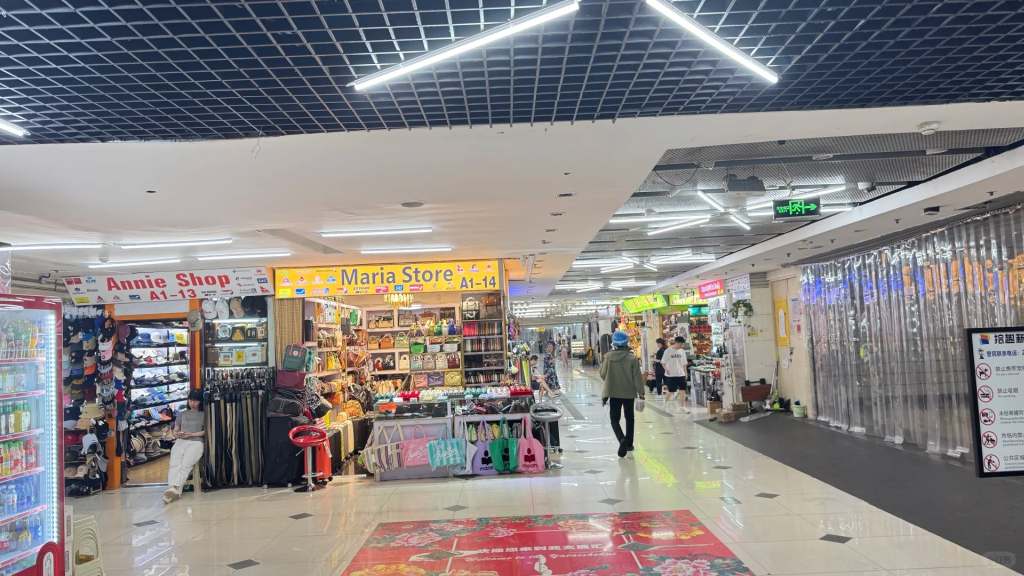
This is not a fake market. It is a wholesale clothing market. But tourists sometimes end up here looking for bargains. You will find cheap clothes, fabrics, accessories, and home goods. Counterfeit luxury items are rare.
What you will actually find: Bulk clothing, knockoff sneakers (not luxury brands, more like unbranded versions), jewelry, hair accessories, and random household items.
The experience: Chaotic. Crowded. Mostly local shoppers. Do not expect English.
What You Need to Know Before You Go
The golden age is over
Shanghai is not the same city it was ten years ago. Luxury brands have successfully pressured authorities to crack down on counterfeit goods. The really convincing fakes are gone. The remaining stock is lower quality, and sellers are more careful about who they show it to.
Some stalls have “back rooms” where they keep the better items. They will not show you unless you ask. And they will not show you at all if you look like a cop.
Bargaining is a sport, not a transaction
Here is how it works:
- Seller quotes 500 yuan for a bag.
- You laugh and say 50 yuan.
- Seller acts offended. “This is real leather! Very good quality!”
- You say 60 yuan, final offer.
- Seller says 400 yuan, doing you a favor.
- You start to walk away.
- Seller says “OK OK, 80 yuan, for you, special price.”
You pay 80 yuan. The bag is worth maybe 40 yuan. Everyone is happy.
The rule: Never pay the first price. Never pay the second price. Aim for 20-30% of the opening quote. Be polite. Smile. Walk away if they do not come down. There are twenty other stalls selling the same thing.
Cash is still king
Some stalls take WeChat or Alipay. But cash is faster, and it helps you stick to your budget. Bring small bills. Do not flash a thick wallet.
Do not be fooled by “lookie lookie”
The vendors are aggressive. They will call out to you as you walk by. They will follow you for a few steps. A polite “bu yao, xie xie” (不要,谢谢 – no thank you) usually works. Do not make eye contact if you are not interested.

What About the “Really Good” Stuff?
It still exists. But you will not find it in a public market.
The truly convincing counterfeit goods are sold online, through WeChat groups, or in private showrooms that you will not find without a referral. These sellers are careful. They do not advertise. They do not want tourists.
If a local friend offers to take you to a “secret” shop, go. If a stranger on the street offers, walk away.
A Word on Legality
Buying counterfeit goods is not legal. In practice, tourists are rarely targeted. But customs at the airport can seize counterfeit items, and you can face fines. Do not fill your suitcase with ten “luxury” bags and expect to breeze through security.
The safest approach: buy what you need for personal use. Do not buy in bulk. Do not resell.
The Best “Fake Market” Alternative
If you want the experience without the legal gray area, try the Antique Market on Dongtai Road. It sells vintage items, old posters, Mao-era memorabilia, and knockoffs that are clearly knockoffs (think “Chanel” with a misspelled logo). It is charming, less stressful, and the bargaining is more relaxed.
Or visit the Yuyuan Bazaar, where you can buy traditional Chinese crafts, tea sets, silk, and souvenirs. It is touristy, but the products are legitimate, and the prices are fair.
Final Thoughts
Shanghai‘s fake market culture is fading. The city is wealthier. The government is stricter. The luxury brands are more aggressive. The glory days of 580 Nanjing West Road are never coming back.
But the Science and Technology Museum market still offers a glimpse of what once was. It is chaotic, exhausting, and strangely fun. Go with low expectations. Bring cash. Bargain hard. And if you find a seller who makes you laugh, buy something from them even if the price is not perfect.
They are the ones keeping the spirit alive.
Need help finding these markets or any other Shanghai attraction? Message us. We do more than rentals – we help newcomers settle into the city.
Shanghai Rentals
WeChat: 13816427716
Email: info@shanghai-rentals.com

Join The Discussion