

Moving to a new country is exciting. But when your child wakes up with a fever at 2 AM, or someone needs urgent medical attention, excitement turns to a very practical question: Where do we go?
The good news: Shanghai has world-class healthcare, with options ranging from top-tier public hospitals with international departments to private hospitals designed specifically for expat families.
This guide covers everything you need to know – from choosing the right hospital to understanding insurance, vaccinations, and emergency care. We‘ve updated this guide for 2026, reflecting recent government policies and hospital developments.
Let’s start with the most critical question first.
Emergency Numbers – Save These Now
| Service | Number | Notes |
|---|---|---|
| Police | 110 | English speakers usually available |
| Fire | 119 | |
| Ambulance | 120 | Basic English may be available |
| Shanghai United Family Hospital (24hr) | (021) 2216 3999 400 639 3900 | Direct to international hospital |
| Jiahui International Hospital (24hr) | (021) 5339 3118 400 868 3000 | Direct to international hospital |
Pro tip: Add these numbers to your phone contacts immediately after arrival. In an emergency, calling a private hospital directly is often faster than calling 120, as private hospitals dispatch their own ambulances with English-speaking staff.
Private vs. Public: Which Is Right for Your Family?
Shanghai offers two parallel healthcare systems for expats. Each has its own advantages.
International Private Hospitals
Best for: Routine care, expat-friendly experience, English-speaking staff, shorter waiting times, direct insurance billing.
These hospitals function very similarly to Western hospitals. You‘ll find:
- English-speaking doctors and nurses (many trained in the US, UK, or Australia)
- Shorter waiting times (often same-day or next-day appointments)
- Modern, comfortable facilities
- Direct billing with major international insurance providers
- Familiar Western-style patient care
Public Hospitals with International Departments
Best for: Complex specialist care, pediatric emergencies, cost-conscious families with local insurance.
Public hospitals in Shanghai have world-class specialists – particularly in pediatrics, cardiac care, and oncology. The trade-off is:
- Longer waiting times
- Less English support (though international departments are better)
- Lower costs than private hospitals
Many expat families use a hybrid approach: private hospitals for routine checkups and minor issues, public hospitals for serious specialist care or emergencies requiring pediatric ICU capabilities.
Looking for a public hospital’s international desk? The international patient departments of Shanghai’s top public hospitals (Zhongshan, Ruijin, Huashan, Renji and others) list their own phone numbers, languages and the insurers they bill directly. MedicCN, a private medical-concierge service, keeps a free directory of these departments with links to each hospital’s own page. It is an additional resource run by a commercial company, so please confirm phone numbers, costs and appointments with the hospital itself before you go.
Leading International Private Hospitals in Shanghai
1. Jiahui International Hospital (嘉会国际医院)
Jiahui has rapidly become a leading name among expat families since its opening. This tertiary-level comprehensive international hospital meets rigorous international standards.
Key features:
- Partnered with Massachusetts General Hospital, a world-leading academic medical system
- US-trained Chief of Medical Oncology, Dr. Xuan Linli
- Comprehensive Cancer Center offering novel immunotherapy treatments available only in China (ivonescimab)
- 3,000 sqm Fertility and Reproductive Medicine Center
- Embryology lab with LifeAire ultra-purification system and EmbryoScope Plus time-lapse technology
- Advanced non-invasive gynecological treatment equipment (HIFU technology)
- International patient team handling remote consultations and travel coordination

Languages: English, Chinese, and more
Location: Yangpu District, near Jiang Wan Cheng Road
24hr Hotline: (021) 5339 3118
International Patient Email: internationaloffice@jiahui.com
Real patient story: A 70+ year old U.S. patient with advanced lung cancer, who had exhausted all standard treatments at MD Anderson Cancer Center, was stabilized at Jiahui International Cancer Center using ivonescimab, a novel immunotherapy available only in China. The family praised the team‘s “dedication, compassion, and tireless efforts.“
2. Shanghai United Family Hospital (SHU)
United Family is the most established international hospital network in Shanghai, with a reputation built over decades of serving expat families.
Key features:
- Multiple campuses throughout the city, including Changning, Jing‘an, and Pudong
- 24-hour pediatric emergency care year-round at Changning Campus (No. 699 Pingtang Road) with a dedicated green channel
- Specialists in pediatric endocrinology, gastroenterology, and developmental/behavioral health
- Familiar Western approach – design and management crafted to meet international standards
- Many Western-trained physicians
Verdict from expats: Described as“a comfortable and familiar choice for the expatriate community. Its design and management are crafted to meet international standards, offering a seamless healthcare experience akin to what one might expect in the United States or Europe.“
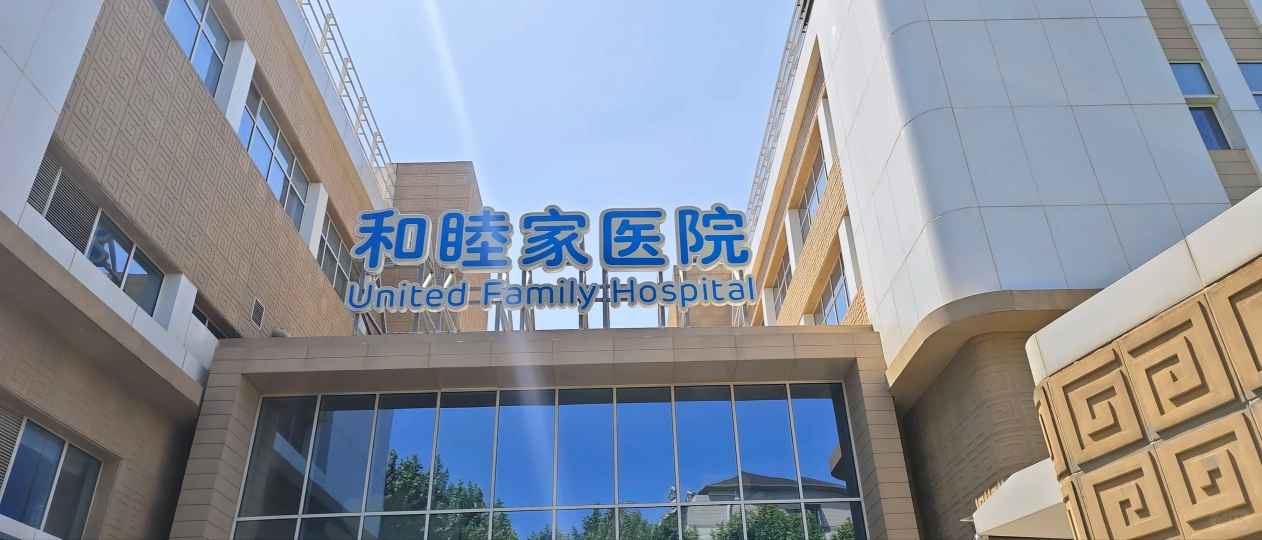
Locations:
- Changning Campus (main): 699 Pingtang Road – 24hr pediatric emergency
- Jing‘an Clinic
- Pudong Clinic
24hr Hotline: (021) 2216 3999
3. Parkway Health (百汇医疗)
Parkway Health is a name that has become synonymous with reliable, international-standard healthcare in Shanghai. With a history spanning over two decades in the city, it has built an unshakeable reputation among the expat community and is trusted by the embassies of the United Kingdom, Canada, and New Zealand as their official medical examination provider.
What truly sets Parkway apart in 2026 is its unparalleled network and convenience. It operates a three-tier model of “General Hospital – Medical Center – Community Clinic” across the city, ensuring you are never far from quality care whether you live in the Former French Concession, Jing’an, or Pudong .
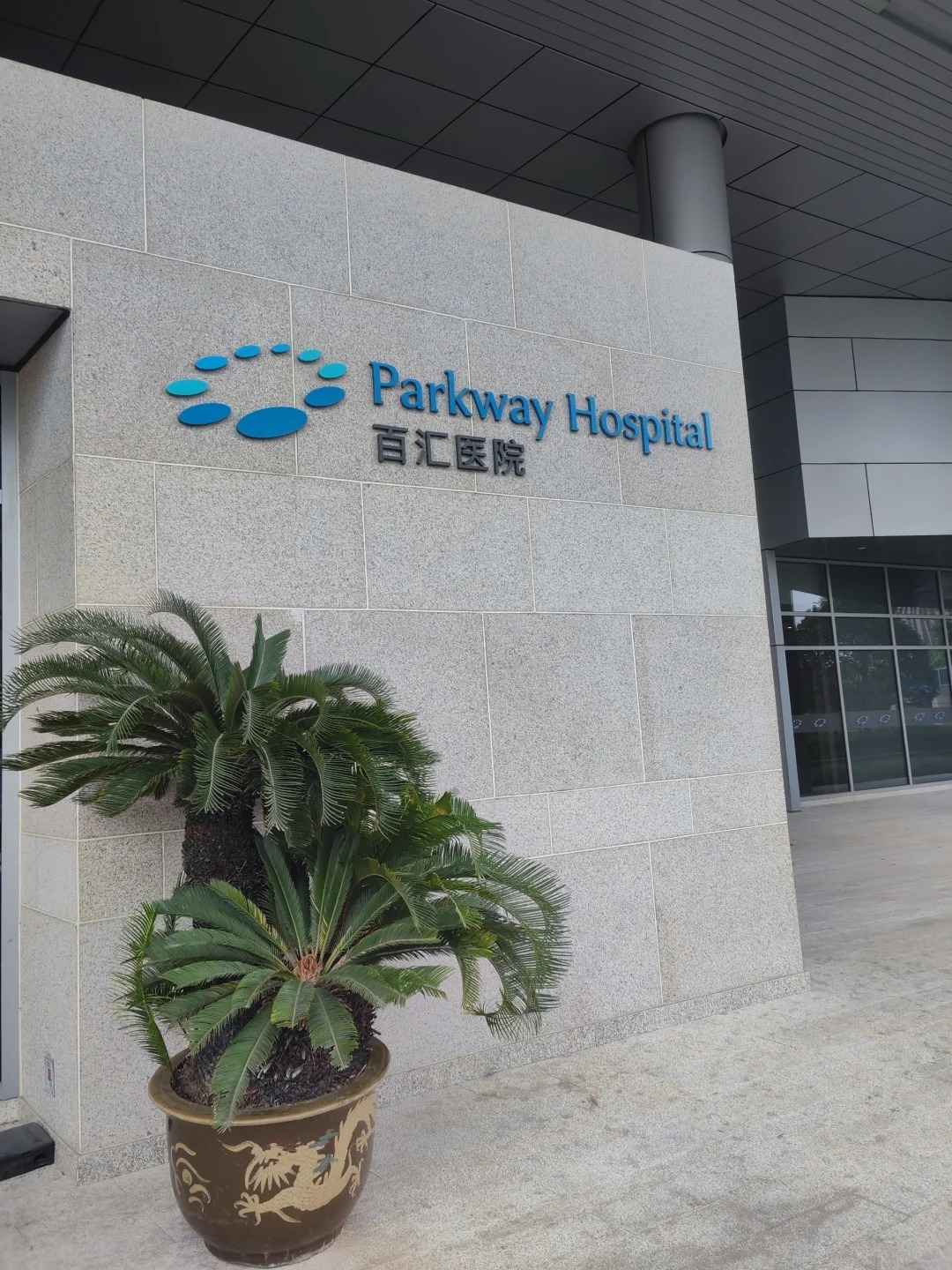
Key Features & Recent Developments:
- Extensive Network & Locations: With five medical centers across key districts, including a new state-of-the-art community clinic in Gubei that opened in January 2026, Parkway is deepening its “15-Minute Community Health Living Radius” .
- New Specialty Center (2026): In January 2026, Parkway Shanghai Hospital launched a new International Diagnosis and Treatment Center for Hepatobiliary and Pancreatic Diseases. This center leverages IHH Healthcare’s global resources, collaborating with top institutions like the University of Hong Kong and Japan’s Keio University, cementing its status as a leading Asian hub for complex surgeries .
- Patient Profile: Trusted by nearly 500,000 patients from 77 countries, including many corporate expatriates .
- Insurance & Direct Billing: Supports direct billing with a wide range of international insurers and has recently been designated as a “non-high-cost” provider by insurers like Cigna CMB and MSH, helping to make healthcare more affordable .
- Services: Offers a full suite of services including Family Medicine, Cardiology, Dentistry, Orthopedics & Sports Medicine, and Psychology/Counseling .
- Locations: Multiple clinics including downtown (Xintiandi), Changning, Minhang, and Pudong, plus the main hospital near Hongqiao. Hotline: 400 819 6622 (24/7) .
4. SinoUnited Health (曜影医疗)
SinoUnited Health stands out for its “physician-driven” philosophy and its rapid growth as a premier healthcare network in Eastern China. Founded in 2016, it has quickly risen to become one of the largest premium private healthcare providers in the Yangtze River Delta, operating a comprehensive network across Shanghai, Suzhou, and Hangzhou .
If you value a medical team run by doctors for the benefit of patients, rather than purely by administrators, this is a defining feature. In 2026, SinoUnited made a significant strategic move to solidify its leadership in cross-border medical services, making it an excellent choice for internationally mobile families.
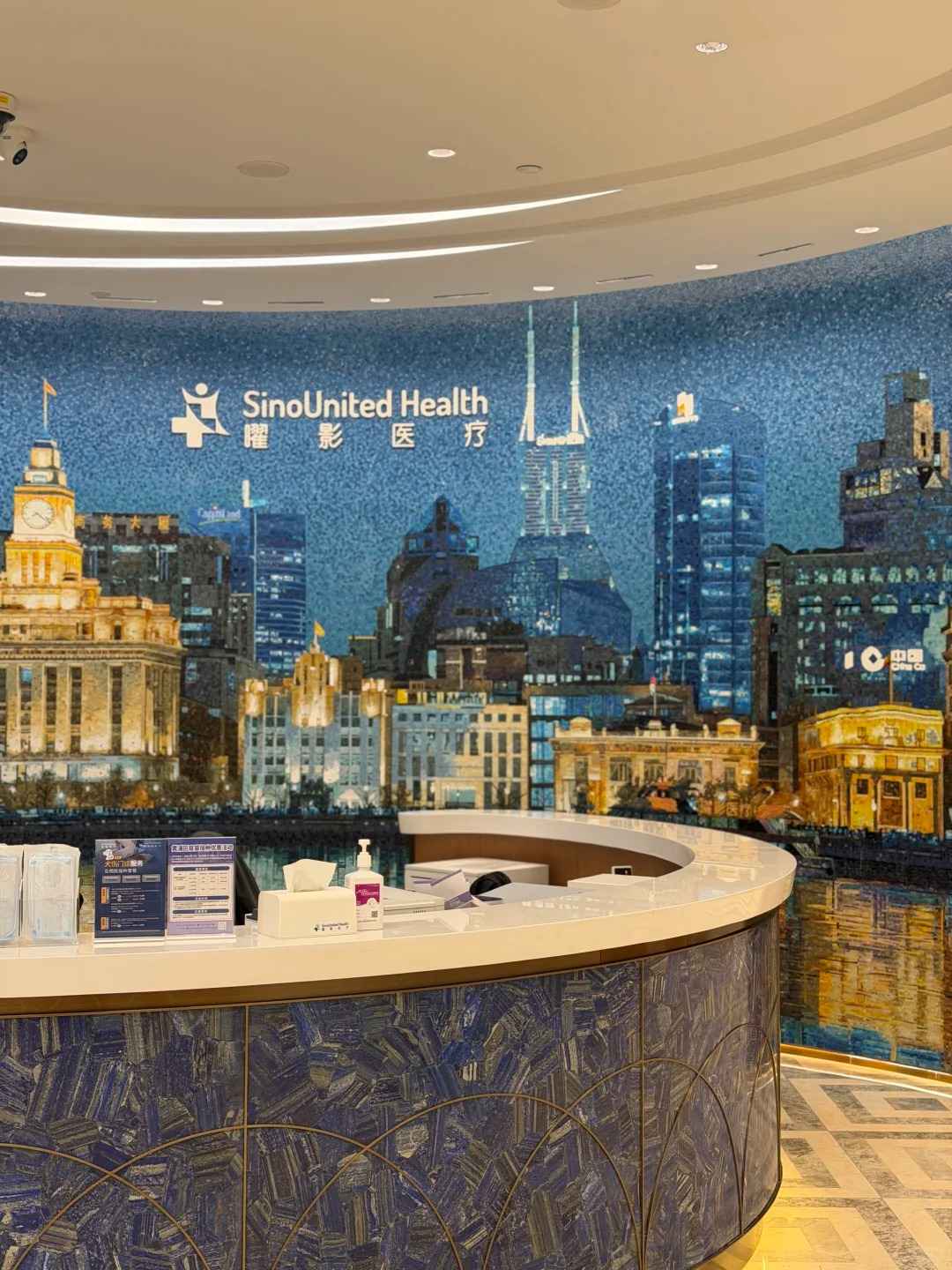
Key Features & Recent Developments:
- Strategic Cross-Border Partnership (2026): In March 2026, SinoUnited signed a major agreement with HealthMutual Group (HMG) to become their anchor hospital in Shanghai. This creates a seamless “home-away-from-home” experience for HMG’s 700,000+ policyholders, establishing a standardized framework for cross-border care between Hong Kong and Mainland China .
- World-Class Collaboration: Maintains a long-term collaboration with the Mayo Clinic (梅奥诊所), offering patients access to world-renowned second opinions (Second Opinion) and expertise in hospital development and quality management .
- Innovative Care Model: Utilizes a “General Practitioner + Specialist” (全科+专科) model combined with Multidisciplinary Team (MDT) approaches to provide holistic and customized solutions .
- Digital Health Pioneer: In 2026, SinoUnited launched the “Digital Shining | AI Family Doctor Agent” (数字曜影|AI家庭医生智能体), providing smart health Q&A and follow-up management, blending technology with traditional care .
- Insurance & Direct Billing: Partners with over 40 major international insurance providers to offer seamless direct billing .
- Locations: Multiple clinics including a flagship hospital and clinics in prime districts.
5. Am-Sino Dingxiang Medical Center (美华沃德丁香门诊部)
Located in the heart of the Former French Concession at 800 Huashan Road, Am-Sino Dingxiang has become an expat favorite, particularly for families living in FFC areas.
Key features:
- Over 20 years of experience in international medical care
- One-stop, multi-specialty services for the whole family
- Services include: Family Medicine, Endoscopy, TCM therapy, Dental care & Orthodontics, Pediatrics & Vaccinations, Ophthalmology
- Bilingual medical reports issued in internationally recognized formats within 48 hours
- Partners with 40+ major insurance providers for direct billing
International patient statistics (2025):
- International patients accounted for 24% of total visits
- 89% year-on-year increase in international patients
- Patients from 76 countries and regions
Languages spoken: English, French, Italian, Japanese, Spanish, Korean, and Cantonese – plus professional medical interpretation services
Locations:
- Dingxiang Outpatient Clinic (Xiao Xiang): Floors 2-3, Annex Building 6, Clove Apartment, Lane 800, Huashan Road, Changning District
- American-Sino Women: 155 Songyuan Road, Xuhui District
- WorldPath Clinic International (Xiao Wo): 399 Nanquan North Road, Pudong
Leading Public Hospitals for Children
These are the top-tier pediatric facilities. For serious conditions, complex surgeries, or pediatric ICU needs, these are the best in the city – and among the best in China.
1. Children‘s Hospital of Fudan University
This is widely considered the premier children‘s hospital in Shanghai.
Key features:
- International Medical Center covering nearly 4,000 sqm
- 24-hour emergency services
- 160 specialist physicians – over 70% have overseas study or work experience
- Serves 140,000 children from 35 countries and regions annually
- Two critical patient transfer teams on standby for emergencies, including moving critically ill newborns from other provinces
- Nearly 1,000 children hospitalized during holidays, with over 200 beds for newborns alone
- Treats complex cases requiring genetic therapy and stem cell transplants
- Advanced equipment: O-arm machine, Da Vinci Surgical System, PET-CT imaging
- Expatriate patients treated: Over 7,500 last year, including Russian and Italian patients successfully treated
International Medical Center (IMC) services:
- Outpatient department with specialized clinics across all pediatric subspecialties
- Multidisciplinary team (MDT) clinics for complex cases
- Rare disease specialty clinics
- 24-hour emergency services
- Inpatient department with 26 family rooms
- Vaccination department with personalized plans for children (including those with underlying conditions like tumors or immune disorders)
- Health management department for comprehensive checkups
Location: Shanghai
Emergency: 24/7
2. Shanghai Children’s Hospital
A trusted public option with a dedicated VIP department serving international families.
Key features:
- VIP Department offering one-stop general care, 24-hour outpatient and inpatient services, health check-ups, and immunizations
- Specializes in nutrition, puberty-related issues, and common childhood diseases
3. Shanghai Children‘s Medical Center
Key features:
- Top-tier facility specializing in pediatric congenital heart disease, hematology/oncology, and developmental behavioral pediatrics
- International Medical Department with a family-centered model of care
- Multilingual volunteer network to overcome language barriers
Vaccinations & Routine Pediatric Care
Keeping your child‘s vaccinations up-to-date is critical. Fortunately, Shanghai makes this relatively straightforward.
Where to Get Vaccinations
| Provider | Best For | Languages |
|---|---|---|
| Private hospitals (Jiahui, United Family, Am-Sino) | English-speaking care, flexible scheduling, familiar Western vaccine schedules | English, more |
| Public hospital international departments (Children‘s Hospital of Fudan, Shanghai Children‘s) | Complex medical histories, specialized immunization needs, lower cost | Limited English |
| Local community health centers | Lowest cost, Chinese vaccine schedules only | Chinese only (bring translator) |
Vaccine Schedules
China‘s routine vaccination schedule differs slightly from Western countries. Most private hospitals can follow either the Chinese schedule or an international schedule (US/UK/EU). Consult with your pediatrician to ensure your child is fully protected.
COVID-19 Vaccinations
Foreign nationals in Shanghai are eligible for COVID-19 vaccinations. Private hospitals offer appointments with English-speaking staff.
Annual Flu Shots
Flu season in Shanghai typically runs from October to March. Private hospitals offer flu shots starting in September. Highly recommended for all family members, especially young children and elderly relatives.
Health Insurance for Expats – A Critical Decision
One of the most important decisions you‘ll make is choosing health insurance. Medical costs in Shanghai’s private hospitals can be substantial – a routine emergency room visit can cost several thousand RMB, while a hospital stay can run into tens of thousands.
Direct Billing – The Key Convenience Feature
Most top-tier international insurance providers offer direct billing with private hospitals in Shanghai. This means:
- You show your insurance card at the hospital
- The hospital bills the insurance company directly
- You pay only your copay or deductible (if any)
- No paperwork, no reimbursement claims
Hospitals with extensive direct billing networks:
- Jiahui International Hospital
- Shanghai United Family Hospital
- Am-Sino Dingxiang Medical Center (partners with 40+ major insurers)
New Government Policy (2026)
In February 2026, the Shanghai government announced support for establishing third-party international medical insurance settlement platforms . This policy aims to:
- Encourage development of commercial insurance products tailored to expat medical needs
- Support hospitals joining international insurance direct-billing networks
- Simplify the reimbursement process for foreign patients
This is good news for expat families – expect even smoother insurance integration in the coming years.
Recommended Insurance Providers
| Provider | Notes |
|---|---|
| Cigna | Popular among expats; extensive direct billing network |
| Allianz Care | Strong global coverage; direct billing at major Shanghai hospitals |
| Aetna | Good for US expats; direct billing available |
| MSH China | Locally-focused international plan; extensive China network |
| Bupa | Premium coverage; available through partnerships |
General Health Tips for New Arrivals
Air Quality
Shanghai‘s air quality is generally better than Beijing‘s but can still have pollution spikes, particularly in winter.
What to do:
- Download an air quality app (IQAir AirVisual)
- Purchase a good air purifier for your home (IQAir, Xiaomi, Philips)
- Wear N95 masks on high pollution days
- Avoid outdoor exercise when AQI exceeds 150
Tap Water
Do not drink tap water in Shanghai.
What to do:
- Use bottled water for drinking and brushing teeth
- Install a water filter system in your home (many rentals already have them)
- Boil water for cooking if not filtered
Common Seasonal Illnesses
Shanghai has distinct seasons, each bringing specific health considerations:
| Season | Common Issues | Prevention |
|---|---|---|
| Winter (Dec-Feb) | Cold, flu, dry skin | Flu shot, humidifier, warm clothing |
| Spring (Mar-May) | Allergies, pollen, hand-foot-mouth disease (children) | Antihistamines, hand hygiene |
| Summer (Jun-Aug) | Heat stroke, mosquito-borne diseases | Hydration, repellent, AC |
| Autumn (Sep-Nov) | Cold, flu season begins | Flu shot |
Mental Health & Wellness
Moving to a new country is stressful. Shanghai has resources for mental health support:
- Private hospitals offer counseling services (Jiahui, United Family)
- Community Center Shanghai (CCS) – offers counseling and support groups
- Online therapy – platforms like BetterHelp work in China (with VPN)
Settling In: First Steps for Healthcare
When you arrive in Shanghai, complete these tasks within your first month:
Step 1: Register with a Primary Care Provider
Choose a private hospital and register your family. You‘ll then have a point of contact for:
- Routine checkups
- Vaccinations
- Minor illnesses
- Referrals to specialists
Recommended: Jiahui or United Family – both have strong expat programs.
Step 2: Understand Your Insurance
Contact your insurance provider or HR department to confirm:
- What is covered (routine care, emergency, hospitalization, maternity, dental, vision)?
- What is your deductible and copay?
- Which hospitals offer direct billing?
- How to pre-authorize hospital stays?
Step 3: Locate the Nearest 24-Hour Emergency Room
Map out the nearest 24-hour emergency facility to your home and save the phone number. For most families in FFC or Jing‘an:
- United Family Hospital Changning Campus – 699 Pingtang Road (24hr pediatric emergency)
- Jiahui International Hospital – Yangpu District
Step 4: Get a Flu Shot
Flu season starts in October. Book appointments in September.
Step 5: Build a Home Medical Kit
| Item | Quantity |
|---|---|
| Digital thermometer | 1 |
| Children‘s ibuprofen/acetaminophen | 1 bottle |
| Antihistamine (for allergies) | 1 box |
| Bandages and antiseptic | Assorted |
| N95 masks | 10+ |
| Electrolyte solution | 1 box |
Note: Many familiar Western medications are available at pharmacies (drugstores) in Shanghai. Pharmacists may have limited English – bring a photo of the medication or have the Chinese name ready.
Summary: Your Healthcare Quick Reference Card
| Need | Where to Go |
|---|---|
| Routine checkup / vaccination | Jiahui, United Family, or Am-Sino (private) |
| Child with fever at 2 AM | United Family (24hr pediatric ER) or Children‘s Hospital of Fudan IMC |
| Serious pediatric condition | Children‘s Hospital of Fudan or Shanghai Children‘s Medical Center |
| Specialist consultation | Start at private hospital, get referral to public specialist if needed |
| Dental care | Am-Sino Dingxiang or United Family |
| Pregnancy / childbirth | Jiahui, United Family, or Am-Sino Women |
| Emergency ambulance | Call private hospital directly for English-speaking service |
| Insurance questions | Contact your provider or HR department |
Final Thoughts: You Are in Good Hands
Shanghai‘s healthcare system has matured significantly in recent years. The government is actively supporting international medical services , and private hospitals are investing heavily in facilities and talent.
The key to stress-free healthcare is preparation:
- Choose your primary provider before you need them
- Understand your insurance coverage
- Keep emergency numbers saved
- Build a relationship with a pediatrician for your children
With these steps completed, you can focus on enjoying your new life in Shanghai – knowing that quality care is just a phone call away.

Join The Discussion